Summer sales are no longer enough to capture attention. Neither is launching a new collection every few weeks.
The analysis of The Hype List - Modaes, which tracks search demand, digital reputation, AI visibility and social media growth across Spain's leading fashion and lifestyle brands, reveals one clear conclusion: the brands leading the summer are not necessarily the ones selling the most, but those capable of turning every product launch into a conversation.
July brought a shift in leadership, new collaborations, physical activations and campaigns capable of connecting products with entertainment, sports, creators and digital culture.
Behind these movements are several trends that help explain how fashion marketing is evolving.
1. The product is no longer the story. The experience is.
One of the clearest shifts this summer is that the product alone is no longer enough to build a campaign.
Collections still matter, but they increasingly serve as the starting point of a broader story. Brands are no longer simply presenting a T-shirt, a pair of sneakers or a new collection. They are creating an entire context around them.
Events, creator trips, physical activations, immersive experiences, community-generated content and cultural moments have all become part of the launch itself.
The objective is simple: make sure the product is not only purchased, but also becomes content.
Nude Project is one of the clearest examples. The brand reclaimed the top spot in The Hype List by combining community, brand awareness and organic conversation. Throughout July, Nude Mansion once again transformed a brand activation into a complete content ecosystem, bringing together creators, artists, music and experiences that generated conversation for days.
The logic has changed: brands used to launch collections. Today, they create a stage where those collections can come to life.
2. Collaborations are no longer about selling. They're about becoming part of the cultural conversation.
Collaborations no longer work the way they did a few years ago.
Simply bringing two logos together is no longer enough to capture attention. In an environment saturated with collabs, the real difference lies in connecting a product with a conversation that already exists.
Sports, music, entertainment, gaming and creators have become cultural territories through which brands can expand their relevance.
One of the most interesting moves of July came from TwoJeys. Its collaboration with New Era gained enormous visibility after becoming associated with Lamine Yamal, turning a cap into one of the most talked-about products around one of the summer's biggest sporting moments.
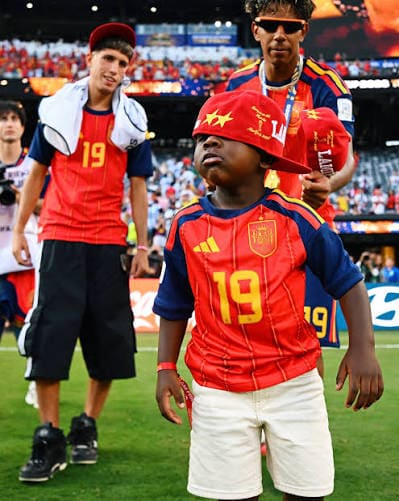
The key isn't just the collaboration itself. It's the context.
When product, personality and a cultural moment come together, a campaign stops feeling like an isolated activation and becomes part of a much larger conversation.
That is one of the biggest challenges for brands today: not trying to create every conversation, but identifying the ones where the brand has a legitimate role to play.
3. Summer is also won beyond owned channels.
Another key takeaway from July is that many of the month's highest-performing posts related to the brands in the ranking did not come from their official social media accounts.
Instead, they came from specialist media, retailers, lifestyle profiles, creators and everyday users. That fundamentally changes the way brand communication works.
For years, a significant part of social media strategy focused on optimizing owned channels: gaining more followers, publishing more content and increasing engagement.
Today, the question is becoming a different one: how much content can a brand generate outside its own channels?
Blue Banana gained part of its visibility during July through the Chilean retailer 7veinte, while Flabelus appeared organically in content created by influencers who naturally incorporated the brand into travel outfits, recommendations and lifestyle content.
These may not be huge campaigns, but they highlight something increasingly important: when products naturally become part of third-party content, brands expand their reach without relying exclusively on paid media or their own communities.
Earned media is no longer just a by-product of a campaign. It has become part of the strategy itself.
4. Storytelling remains a competitive advantage.
Summer also proves that the campaigns creating the strongest connection are not always the ones with the biggest production budgets.
More often than not, they are the campaigns that manage to build a simple, recognizable idea around the product.
Cold Culture continued expanding its streetwear universe with Summer26, while Yuxus took a more emotional approach with Memories, a campaign built around the memories and emotions associated with summer.
Two different approaches. The same objective: making the collection represent something beyond the garments themselves.
And this is where one of the biggest challenges for fashion brands emerges.
Content production is accelerating. AI now makes it possible to generate more creative assets, adapt formats and produce multiple versions faster than ever before. Precisely because of this, having a distinctive brand idea has become more valuable than ever.
When everyone can produce more content, differentiation comes from having something worth saying.
5. Hype is no longer measured by followers alone.
For a long time, community size was considered one of the strongest indicators of a brand's relevance.
But July's results paint a far more nuanced picture.
Brands with similarly sized communities show significant differences in search demand, reputation and their ability to generate conversation. Others have achieved remarkable growth in visibility without relying on a single viral campaign.
That is why The Hype List combines multiple signals, including Google search demand, digital reputation, TikTok and Instagram growth, and brand visibility across AI-powered platforms.
Because a truly relevant brand is not simply the one with the most followers.
It is the one people actively search for, recommend, mention and remember.
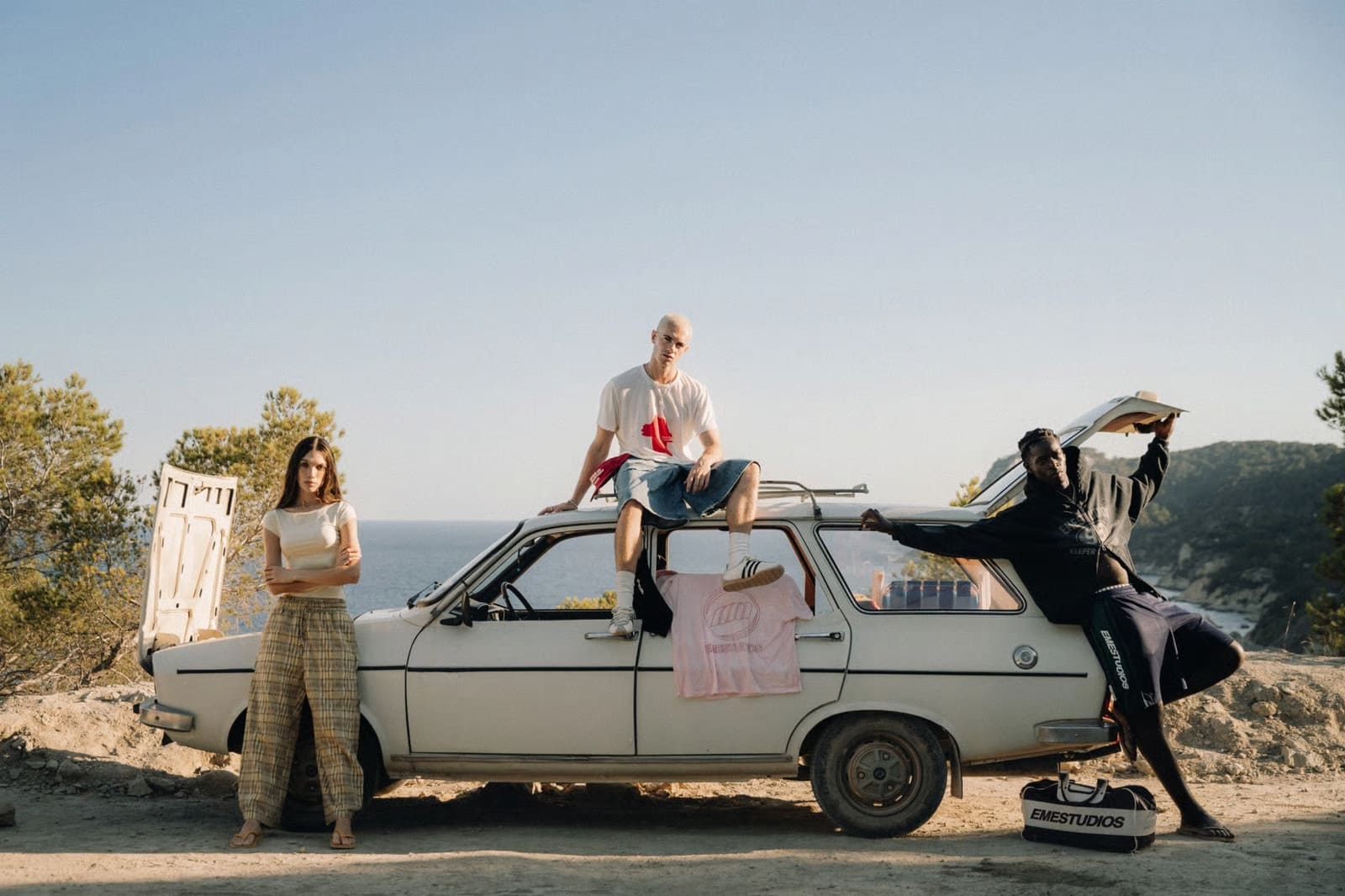
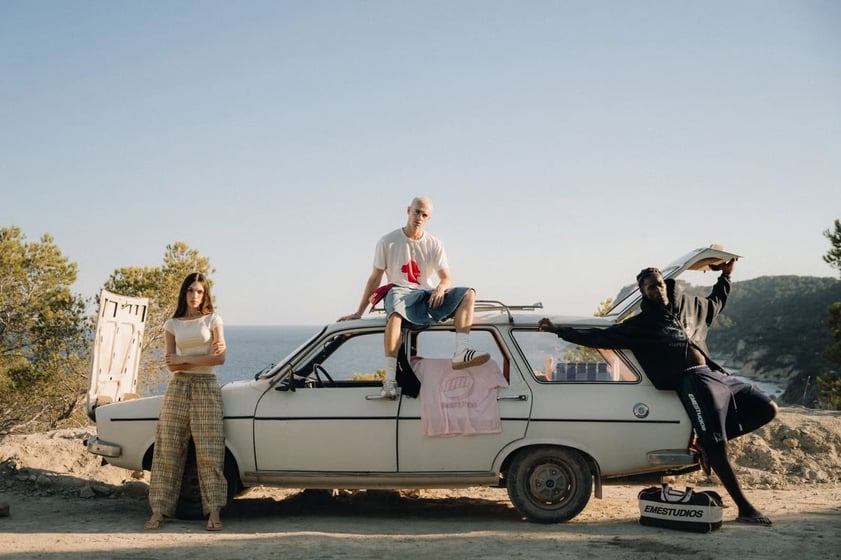
Eme Studios perfectly illustrates this trend. The brand recorded the strongest growth in July, climbing directly into the Top 3 without relying on a single breakout viral moment.
Its performance reflects a combination of increasing search demand, consistent communication, a loyal community and a strong brand identity.
@emestudios.co FIRST RIDE, the first drop of summer 🤍✨ #emestudios
This proves that building hype is not only about creating a short-lived spike in attention. It is also about consistently accumulating signals of relevance over time.
6. From one-off drops to content ecosystems
All of this is also reshaping the very concept of a product drop.
A launch is no longer just about putting new products on sale.
It can begin with a teaser, continue with a waiting list, unlock early access, introduce a collaboration, evolve into a live event, involve creators and, weeks later, still be generating content through users and media coverage.
Each of these layers extends the lifespan of the campaign.
And this is where one of the most significant shifts for marketers appears: the brands leading today's market are no longer thinking exclusively in terms of campaigns. They are designing content ecosystems capable of sustaining conversation long after launch day.
The drop still exists.
But its real value lies in everything it activates around it.
What does The Hype List tell us about this summer?
The July ranking confirms a trend that has been building for several months: brand relevance is no longer built through a single channel or driven by one standout campaign.
The brands leading the ranking are those capable of connecting products with culture, community, content and distribution.
Sometimes that happens through an immersive experience like Nude Mansion. Other times, it comes from a collaboration that taps into a major sporting conversation, as in the case of TwoJeys. It can also emerge from creator recommendations, emotional storytelling or simply from a consistent strategy that steadily increases brand demand over time.
Because hype is not just about going viral.
It is about becoming a brand that people search for, talk about, recommend and remember.
And in a market where producing content has never been easier, getting other people to talk about your brand may be one of the hardest competitive advantages to replicate.
Want to follow the brands redefining retail?
Every month we analyse Spain's leading fashion and lifestyle brands through The Hype List, a ranking that combines Google search demand, digital reputation, AI visibility and social media growth to identify which brands are building genuine relevance in today's market.