The way businesses buy has changed. And no, this isn't just another evolution in digital marketing it's a fundamental shift in how purchasing decisions are made.
Today, a B2B buyer can research solutions, compare vendors, read customer reviews, explore case studies, and even ask AI tools for recommendations before ever speaking to a sales representative.
For years, B2B marketing strategies were built around a relatively predictable funnel: attract traffic, generate leads, nurture prospects, and convert them into sales opportunities. But that linear model no longer reflects how companies actually buy.
Today's buyers don't follow a predefined path. They move seamlessly between channels, consume information whenever they need it, compare multiple sources, and build confidence long before identifying themselves as potential customers.
The B2B buyer journey is no longer a funnel it has become a connected system of signals, where content, AI, search engines, paid media, CRM data, and communities collectively influence purchasing decisions.
The question is no longer whether the B2B buyer has changed. The real question is whether your marketing system has evolved alongside them.
How the B2B Buyer has changed
Not long ago, companies largely controlled the information available about their products and services. A corporate website, a sales representative, and a few industry references were often enough to influence a purchasing decision.
Today, the opposite is true.
By the time buyers engage with a sales team, they've often spent weeks researching the market. They've compared vendors, read expert articles, watched product demos, explored LinkedIn conversations, searched for customer reviews, and asked tools like ChatGPT, Gemini, or Microsoft Copilot which solutions best fit their needs.
In other words, the buying decision begins long before a brand can actually see it.
This fundamentally changes the role of marketing.
Marketing is no longer responsible solely for generating demand. Its primary mission is to build trust, authority, and credibility before a commercial conversation ever takes place.
That means brands need to be present throughout the research phase—not just when prospects are ready to request a demo.
Increasingly, the companies that win aren't simply the ones with the best product. They're the ones that consistently appear wherever buyers are looking for answers.
Why this matters for B2B Marketing
Modern B2B buyers expect to educate themselves before engaging with sales.
They want to:
- Understand the market.
- Compare different approaches.
- Validate vendors independently.
- Build internal consensus.
- Reduce purchasing risk.
Every interaction contributes to that decision-making process.
-
A thought leadership article.
-
A LinkedIn post.
-
A customer success story.
-
A recommendation surfaced by an AI assistant.
-
A webinar.
-
A search result.
Individually, each touchpoint may seem insignificant.
Collectively, they shape how buyers perceive your brand long before your sales team enters the conversation.
For marketing leaders, this changes the objective entirely.
Success is no longer about generating as many leads as possible.
It's about becoming one of the brands buyers already trust when they're finally ready to engage.
The B2B Buyer Journey is no longer a funnel
For years, B2B marketing has been explained through a simple funnel:
Awareness. Consideration. Conversion.
It is neat, easy to understand and reassuringly linear.
It is also no longer an accurate representation of how B2B purchasing decisions are made.
A buyer may discover a brand on LinkedIn, search for it on Google, ask an AI assistant for alternatives, visit the website a few days later, read a case study weeks after that, hear the company mentioned at an event and only return months later to request a demo.
There is no single path.
The modern B2B buyer journey is a connected system of signals, where every interaction contributes to the buyer’s perception of a brand.
These signals may include:
- Expert content.
- Traditional search engines.
- AI-generated answers.
- LinkedIn activity.
- Reviews and professional communities.
- Corporate websites.
- CRM data and previous interactions.
- Paid media.
No single channel controls the decision.
Every channel influences it.
This means marketing teams need to stop thinking in terms of isolated touchpoints and start thinking in terms of connected experiences.
A paid campaign cannot be evaluated independently from the content it promotes.
A website visit cannot be understood without considering the search, social or AI interaction that happened before it.
A sales conversation cannot be treated as the beginning of the journey when, in reality, it may be one of the final steps.
The challenge is not simply to generate more interactions.
It is to understand how those interactions work together.
From linear funnels to Signal-Based buying
The traditional funnel assumes that buyers move from one stage to the next in a predictable sequence.
Modern buying behaviour is far less orderly. Buyers move forwards, backwards and sideways.
They revisit information. They compare vendors repeatedly. They involve new stakeholders.
They pause the process. They return when priorities change. This is why a signal-based approach is more useful.
Instead of forcing buyers into a predefined journey, marketing teams can identify and interpret the signals that indicate interest, consideration or intent.
For example:
- A first visit to a thought leadership article may indicate early awareness.
- Repeated visits to product or service pages may suggest deeper consideration.
- Case study engagement may signal a need for proof.
- Webinar attendance may indicate active research.
- Multiple visits from the same account may reveal broader organisational interest.
- A return visit after several weeks may suggest renewed buying intent.
Individually, these actions may not mean much.

Together, they create a clearer picture of where an account stands in the decision-making process.
That is the real shift.
The objective is no longer to push every buyer through the same funnel.
It is to recognise intent, connect signals and respond with the most relevant next action.
AI is now part of the B2B buying process
One of the most important changes in B2B buying is not purely technological.
It is behavioural.
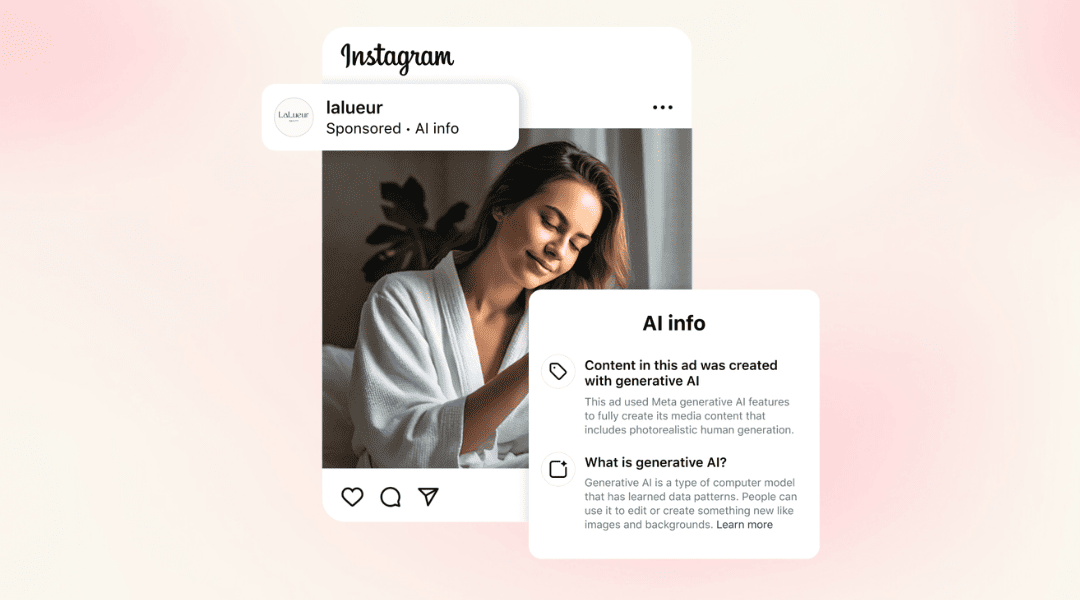
Artificial intelligence has become a new intermediary between businesses and potential customers.
Marketing leaders, sales directors, procurement teams and other decision-makers increasingly turn to AI tools to ask questions such as:
- Which platforms can automate campaign management?
- Which agencies have experience in retail?
- What is the best solution for product feed management?
- Which providers work with international companies?
AI no longer simply answers questions.
It filters information.
It summarises complex documents.
It compares alternatives.
It prioritises vendors.
In many cases, it influences which brands make it onto the shortlist before a buyer ever visits a website or speaks to sales.
This leads to a simple but important conclusion:
AI does not replace sales. It helps decide which brands make it to sales.
That is why concepts such as AI Visibility, Generative Engine Optimisation (GEO) and brand authority are becoming strategic priorities rather than optional trends.
If a brand does not appear when a buyer asks an AI assistant for recommendations, it risks being excluded from the conversation entirely.
What AI Looks for when recommending B2B brands
AI systems do not assess brands in the same way a human buyer does, but they rely on many of the same signals.
They look for:
- Clear and consistent positioning.
- Strong topical authority.
- Relevant and well-structured content.
- Evidence such as case studies, data and customer results.
- Mentions across credible third-party sources.
- Consistent information across the website and other digital touchpoints.
- Content that directly answers specific business questions.
This means visibility in AI environments cannot be solved with a single optimisation.
It requires a broader ecosystem of content, authority, structure and evidence.
A company that publishes generic content, makes unsupported claims and provides little proof will struggle to build trust with both buyers and AI systems.
A company that consistently demonstrates expertise, explains its methodology and supports its claims with real outcomes is far more likely to be recognised as a credible option.
From SEO to AI Visibility
SEO remains essential, but it is no longer the full picture.
Search engines are still a major source of discovery, yet buyers are increasingly using AI assistants to interpret information, compare providers and reduce the time needed to research the market.
This means B2B brands need to optimise for both:
- Search visibility, so they can be discovered through traditional search.
- AI visibility, so they can be understood, cited and recommended by generative systems.
The two disciplines are closely connected.
Strong technical structure, relevant content and recognised authority support both SEO and GEO.
The difference is that AI visibility places even more importance on clarity, consistency and evidence.
The goal is not just to rank. It is to become a source that AI systems can understand and trust.
What this means for B2B marketing teams
Marketing teams need to rethink the role of content. Content is no longer just a way to attract traffic or capture leads.
It is part of the information ecosystem that shapes how buyers and AI systems understand the brand. This requires a more intentional approach.
B2B content should:
- Answer real customer questions.
- Explain complex topics clearly.
- Demonstrate expertise.
- Provide evidence and practical examples.
- Connect consistently with the company’s positioning.
- Support multiple stages of the buying process.
- Be structured so that both people and machines can interpret it.
In practical terms, this may include:
- In-depth articles.
- Case studies.
- Comparison pages.
- Expert guides.
- Research and proprietary data.
- FAQs.
- Product or service documentation.
- Customer testimonials.
- Thought leadership from internal experts.
The strongest B2B brands will not be the ones that publish the most.
They will be the ones that build the clearest, most credible and most connected body of information around the problems they solve.
The problem isn't the buyer - it's marketing
The biggest challenge facing B2B marketing today isn't changing buyer behaviour.
It's the gap between how buyers make decisions and how many organisations still operate.
In many companies, marketing remains fragmented.
-
SEO works independently.
-
Paid Media runs its own campaigns.
-
CRM manages separate automation workflows.
-
Content follows its editorial calendar.
-
Sales only sees the lead once a form has been submitted.
Meanwhile, buyers experience none of these internal boundaries.
For them, every interaction contributes to the same decision. For the business, they're often measured, managed and optimised in isolation. This disconnect creates one of the biggest barriers to growth.
When data lives in different platforms, teams work towards different objectives and channels operate independently, organisations lose the ability to understand the complete buying journey.
The result is familiar to almost every marketing team:
- Reports that don't tell the same story.
- Inconsistent messaging across channels.
- Fragmented customer data.
- Limited visibility into buying intent.
- Decisions based on incomplete information.
- Marketing and sales working from different versions of reality.
The issue isn't a lack of technology. It's a lack of connection.
Adding another platform rarely solves the problem. Connecting the existing ones often does.
From marketing channels to a connected growth system
The next generation of B2B marketing isn't defined by individual channels. It's defined by how well those channels work together.
Modern growth comes from connecting every stage of the customer journey from the first anonymous interaction to long-term customer value.
That requires marketing to move beyond campaign execution and start operating as a connected system.
Instead of asking:
"Which channel performs best?"
The better question becomes:
"How do all of these channels contribute to business growth together?"
Every interaction should inform the next.
Every campaign should generate new learning.
Every insight should improve future decisions.
Growth becomes continuous rather than campaign-based.
How to adapt your marketing strategy to the new B2B buyer
If buying behaviour has changed, marketing needs to evolve accordingly.
The answer isn't launching another campaign or adding another marketing platform.
It's building a system capable of learning from every interaction and responding intelligently across the entire buyer journey.
There are four capabilities that modern B2B organisations should prioritise.
1. Connect Data and Buying Signals
Everything starts with visibility.
Without connected data, every decision becomes reactive.
A modern marketing strategy should combine:
- CRM data.
- First-party data.
- Website behaviour.
- Campaign performance.
- Buying intent signals.
- Customer interactions.
The objective isn't to collect more information.
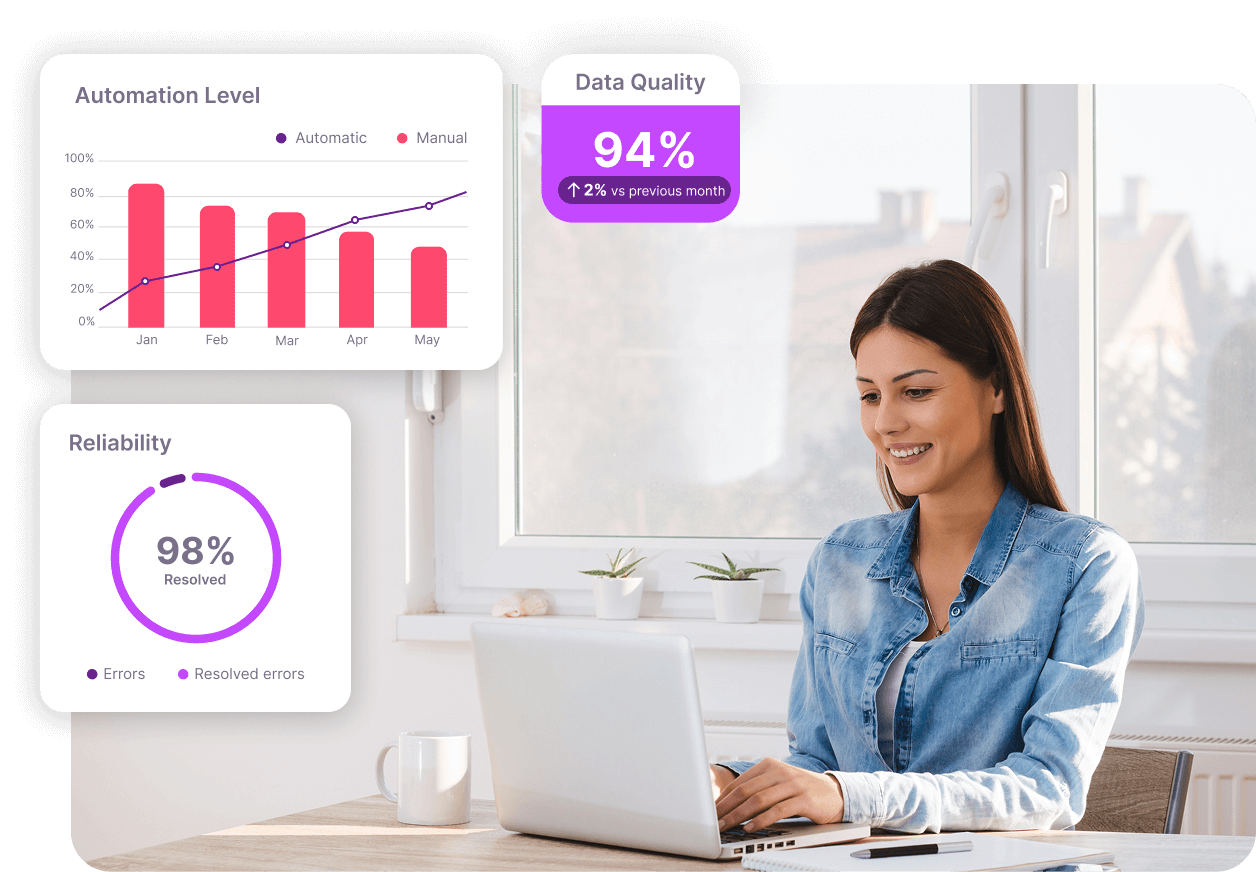
It's to understand who is showing interest, what they're researching, and what should happen next.
When marketing teams can identify meaningful buying signals, they stop treating every lead the same. Instead, they prioritise accounts based on real intent.
2. Build authority before buyers contact sales
Most buying decisions are influenced long before a prospect requests a demo.
This changes the purpose of content.
Content is no longer just a lead generation asset.
It becomes part of the company's competitive advantage.
Buyers need answers before they need sales.
That means brands should consistently publish:
- Expert insights.
- Industry research.
- Customer success stories.
- Educational resources.
- Technical documentation.
- Practical frameworks.
Authority is no longer built through advertising alone.
It is built through relevance, consistency and expertise.
The companies that educate the market are often the companies that win it.
3. Orchestrate channels instead of managing them independently
-
Search.
-
LinkedIn.
-
Programmatic.
-
Email.
-
Display.
-
Video.
-
Events.
These aren't isolated tactics. They are different moments within the same buying journey.
Every channel has a different role. Some generate awareness.
Others educate. Others reinforce credibility. Others activate buying intent. The objective is not to repeat the same message everywhere.
It is to deliver the right message at the right moment. In B2B, successful marketing isn't about designing individual campaigns. It's about designing sequences of interactions that gradually move buyers towards a decision. Each touchpoint prepares the next.
4. Measure Business Growth, not just marketing activity
Traditional marketing metrics still matter. CTR, CPL, Conversion rate, ROAS.
But none of them explain business growth on their own.
A campaign can generate thousands of leads while contributing very little to revenue.
Likewise, a thought leadership initiative may influence major deals without generating immediate conversions.
Modern B2B organisations increasingly measure outcomes such as:
- Engaged accounts.
- Pipeline contribution.
- Revenue influence.
- Incrementality.
- Customer lifetime value.
- Continuous learning.
Because a click explains an interaction.
It doesn't explain why a company chooses your business six months later.
Marketing should therefore optimise for commercial impact—not simply for platform performance.
Marketing is becoming an intelligence system
The role of marketing is changing. It is no longer responsible only for communication or demand generation.
It is becoming the function that connects customer intelligence, business data, content, media and commercial strategy.
Artificial intelligence accelerates this transformation.
Not because it replaces marketers.
But because it helps organisations detect patterns, interpret buying signals, automate repetitive work and make faster decisions.
The competitive advantage won't come from using more AI tools.
It will come from building a marketing system where data, people and AI continuously learn from one another.
That is what separates disconnected campaigns from scalable growth.